05 / About us
It started with a toy
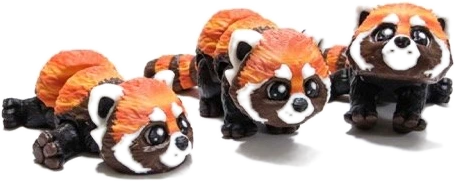
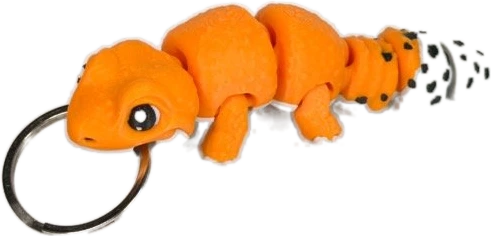
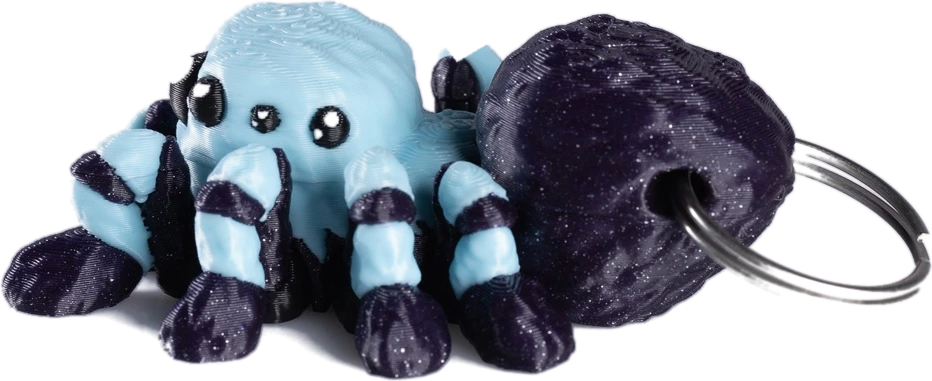
In 2025, I printed a toy for my three-year-old daughter. I wanted to see what I could make with a 3D printer that would make her smile. I filmed the toys being made, and soon other people wanted them too. That’s how my first orders came in.
Uldis Vilks, founder of Ulric Wolf
Move it. Listen. Do it again.
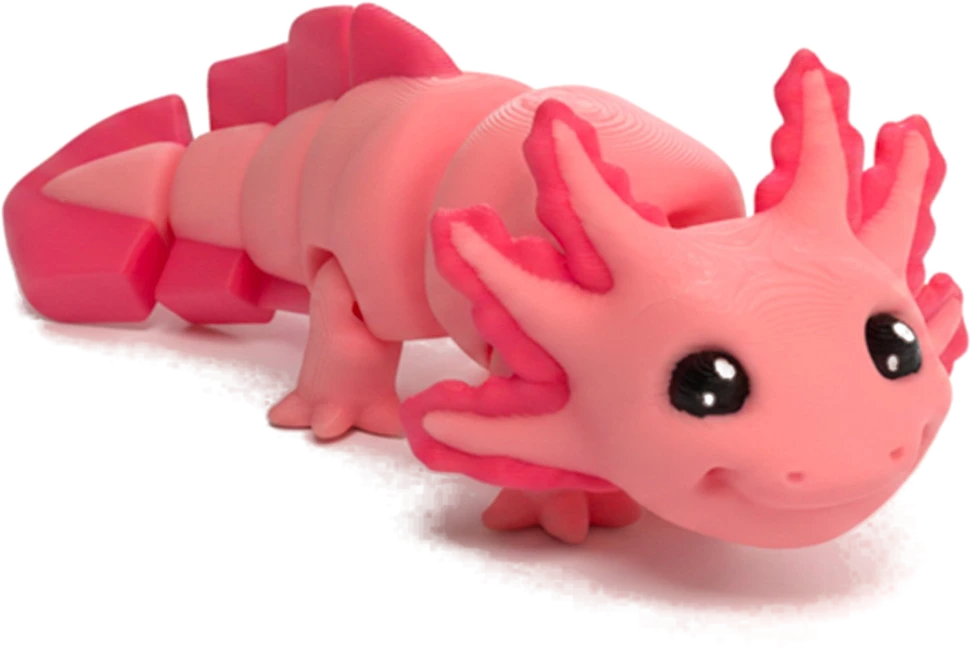
I still like the quiet click when a figure bends. Nudge it with a finger and it sits. Lay it on its side and it settles down to sleep. A child has already given it a personality and imagined a whole adventure. An adult finds themselves bending it over and over during a break, just to hear how it sounds.
That’s the feeling we look for in every new toy. I want it to feel good to move and make you reach for it again a moment later.
A toy should come along for the adventure
In real play, a toy sometimes falls. It goes into a backpack, comes out at a friend’s house and ends up beside a pillow. Children should feel free to play wholeheartedly with their little friend. We want its joints to stand up to what children actually do with them every day: bending, turning and playing out one adventure after another.
I’ve heard hundreds of stories from our customers. One person builds an entire collection. In another family, the first figure moves on to the next child after more than a year of play. I love the idea that when one child finishes their adventure, another can start their own with the very same toy.
From one toy to manufacturing for partners
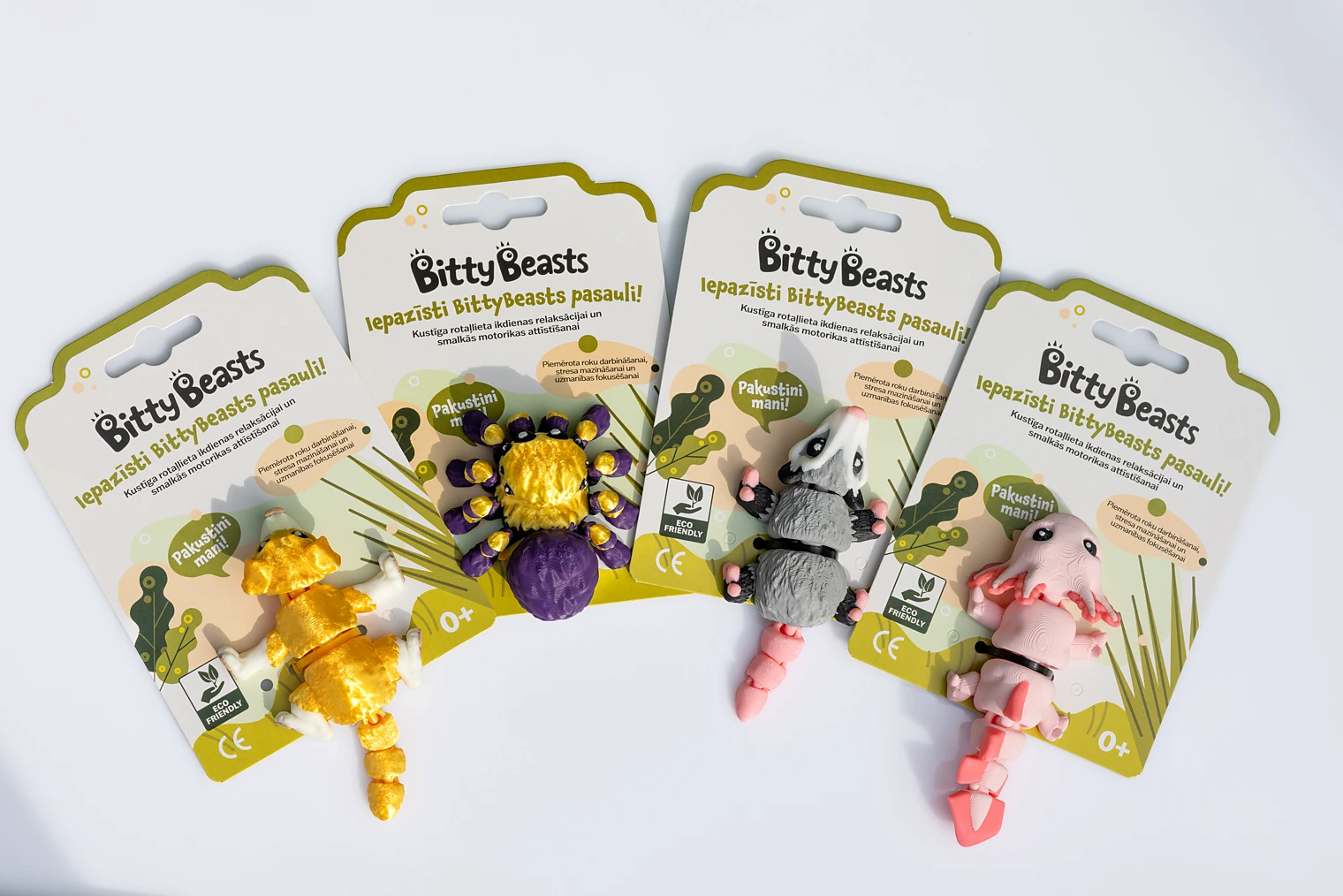
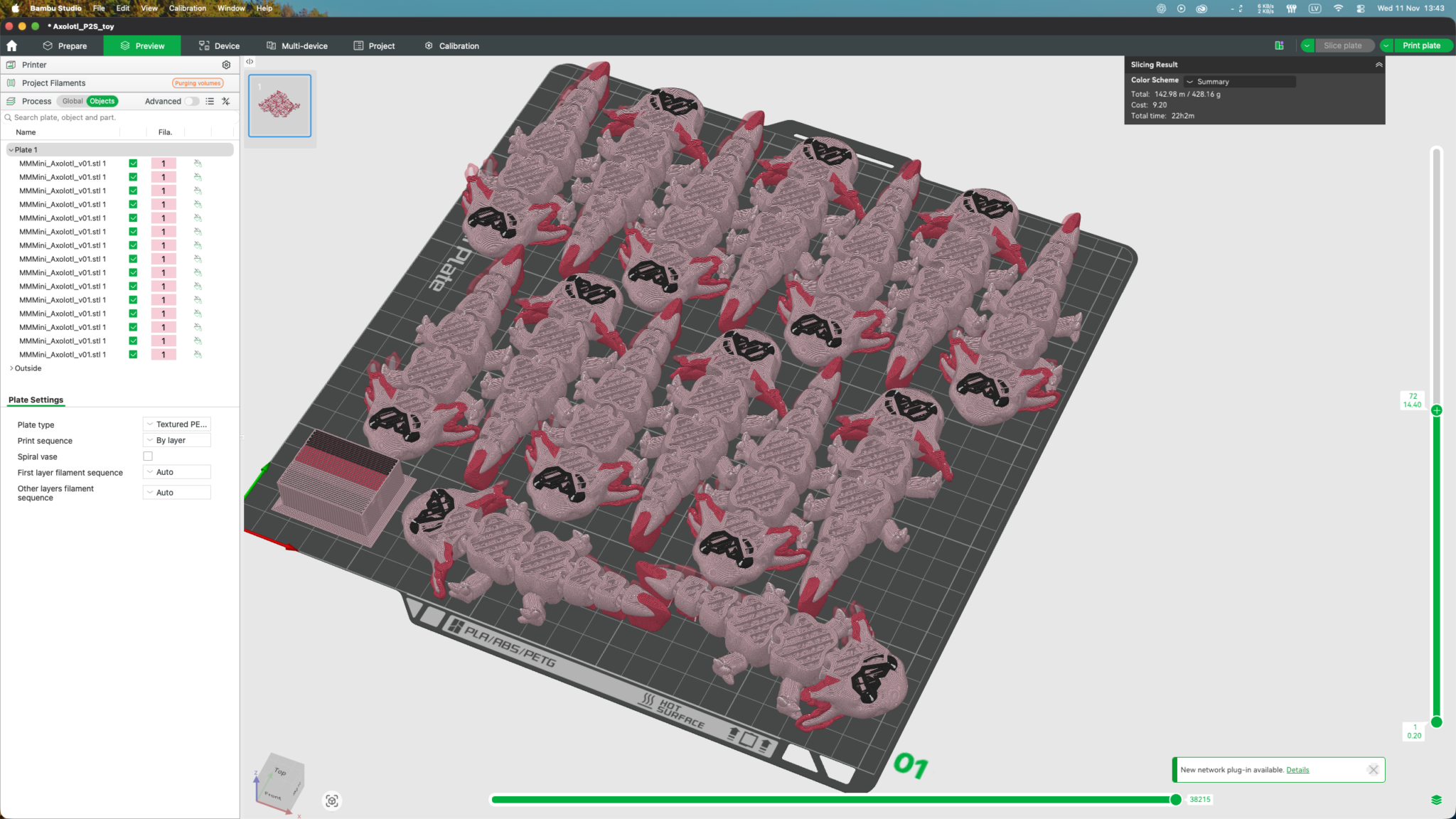
We’ve grown quickly since that first print. Today we manufacture our own collections and supply retail partners across the Baltics. For businesses that want a toy of their own, we can take it from concept and prototype through conformity testing, series production and delivery.
We’re introducing new 3D printing technologies and plan to open a second production site in Estonia in early 2027. As we grow, I want to keep the care that went into that first toy. Today that means thinking as carefully about how to get a consistent result across a production run as we do about how the figure moves in a child’s hands.